Wild Bee Training Opens New Farming Income Paths
Wild bee training from Chandigarh University supports apiculture jobs and ventures across four north Indian states.
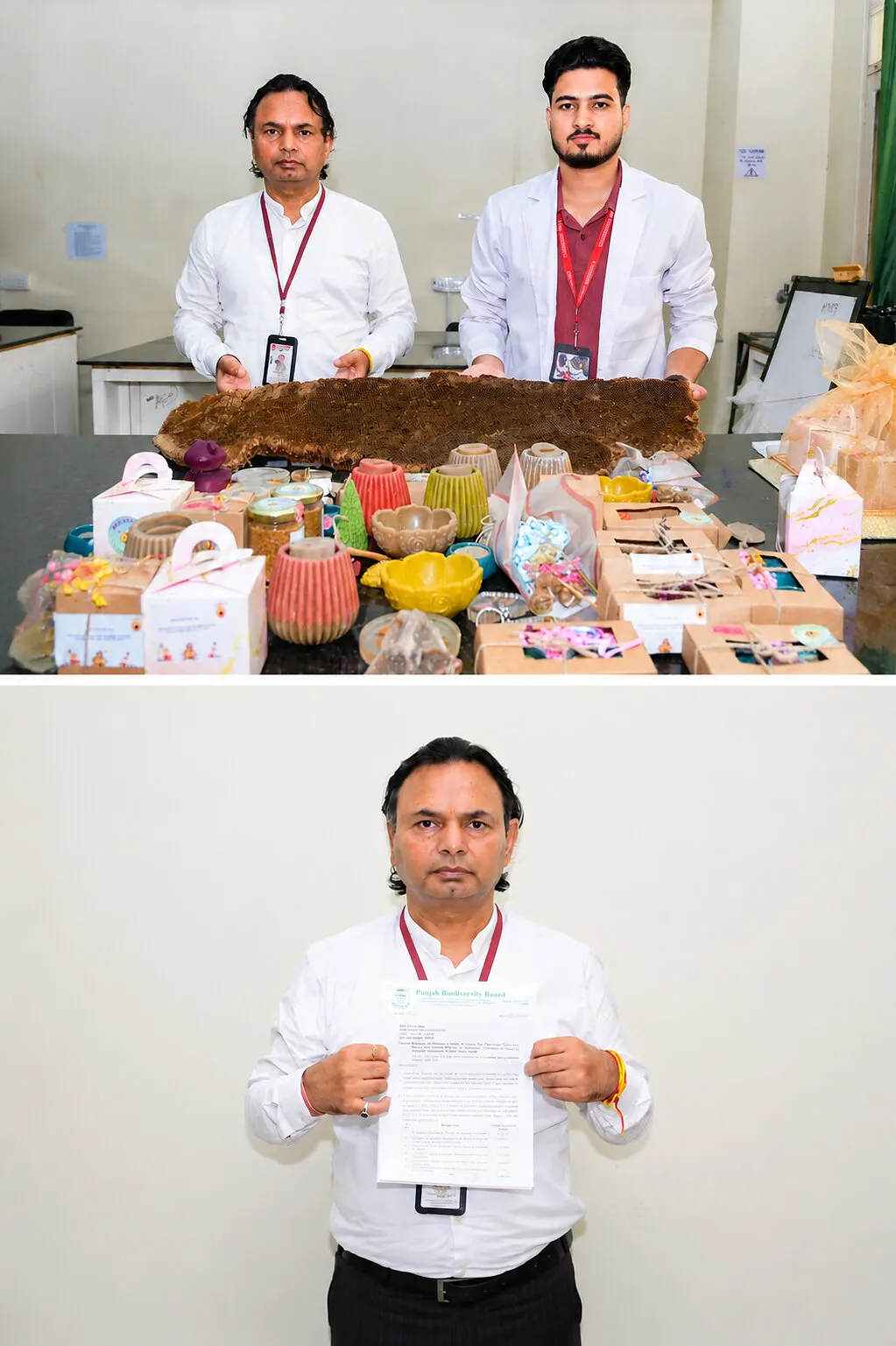
Chandigarh University has launched a wild bee training program to help rural and forest-fringe communities build income through apiculture. The initiative began in January 2026 and is funded by a ₹12 lakh project sanctioned by the Punjab State Council for Science & Technology. Participants are securing placements and starting ventures in Punjab, Haryana, Jammu & Kashmir, and Himachal Pradesh. Training covers beekeeping, honey production, bee-product processing, and marketing.
Skills Across The Bee Product Chain
Led by Prof (Dr) L.K. Attri and Assistant Professor (Dr) Sangeeta in the Department of Biosciences, the program combines scientific instruction, practical demonstrations, and field-based learning. Participants learn identification, sustainable collection, handling, processing, storage, value addition, packaging, branding, and marketing of wild bee products.
Prof (Dr) L.K. Attri, Head of Department of Biosciences at Chandigarh University, said:
“The programme is designed to create impact beyond conventional skill development by linking technical training with employment and enterprise creation. Several participants have secured placements with organisations and enterprises operating in the apiculture sector where they are applying the skills acquired during the training. Other participants have initiated apiculture-based ventures involving beekeeping, honey production, processing, value-added bee products - Bee pollen, bee propolis, bee wax essentials, and marketing, creating new livelihood opportunities and contributing to local economic development.”
Enterprise Training For Participants
The program also introduces business planning and enterprise management for people considering apiculture-based ventures. Its focus on collection, processing, packaging, and marketing is intended to support greater value addition for local honey and bee-product enterprises.
Prof (Dr) L.K. Attri, Head of Department of Biosciences at Chandigarh University, added:
“The training also introduces participants to business planning and enterprise management, enabling them to understand the basics of establishing and managing apiculture-based ventures. By developing skills across the bee-product value chain from collection and processing to packaging and marketing, the programme is helping participants explore opportunities for greater value addition and strengthen local honey and bee-product enterprises.”
Livelihoods Linked To Conservation
Training includes responsible methods for collecting, handling, and processing wild bee products, with an emphasis on protecting natural bee populations and forest ecosystems. Chandigarh University says the approach connects green livelihoods with the conservation of pollinators and supports employment and self-employment in the sector.
Prof (Dr) L.K. Attri, Head of Department of Biosciences at Chandigarh University, added:
“A key focus of the initiative is to ensure that livelihood generation is aligned with ecological conservation. Participants are trained in responsible methods for the collection, handling and processing of wild bee products, with emphasis on protecting natural bee populations and forest ecosystems. This approach supports the conservation of pollinators, which play an important role in agricultural and horticultural productivity, while promoting eco-friendly livelihood opportunities for communities living in and around forest areas.”