Marcus Glucina, CEO, Environmental Decontamination (NZ) Limited (EDL)
I'm Marcus Glucina, CEO of Environmental Decontamination (NZ) Limited (EDL), a New Zealand technology company developing solutions for some of the world's
Please introduce yourself to our readers and tell us a bit about your role and your work at Environmental Decontamination Limited.
I'm Marcus Glucina, CEO of Environmental Decontamination (NZ) Limited (EDL), a New Zealand technology company developing solutions for some of the world's most challenging waste streams.
My background is in law and commerce, having studied at the University of Auckland before practising commercial litigation as a barrister.
I first encountered EDL's technology in 2005 through a relative, Bryan Black, who developed the core technology. I was fascinated by its ability to transform contaminated soils into non-toxic materials through a mechanical process, without heat, solvents or creating another waste stream.
I later helped secure projects for EDL in Vietnam, remediating Agent Orange-contaminated soils under the United Nations Development Programme.
Today, EDL's Mechanochemical Destruction (MCD®) technology is being developed for applications including PFAS, asbestos and persistent organic pollutants (POPs). We're also using mechanochemical processing to transform waste materials into valuable resources.
My role focuses on commercial strategy, industry partnerships and bringing our New Zealand-developed technology to international markets.
What was the hardest part of turning a new environmental technology into a business customers would pay for?
One of the biggest challenges has been introducing a technology that fundamentally disrupts waste management practices that have existed for centuries, particularly the traditional 'dig and dump' approach.
Proving that a technology works scientifically is only the beginning. Customers need confidence that it can perform reliably, safely and economically at an industrial scale.
This requires extensive testing, independent verification and demonstrating that the technology works under real operating conditions.
Fortunately, changing regulations and rising landfill levies are creating greater demand for alternative solutions. Restrictions on PFAS disposal, for example, are encouraging waste owners and operators to explore technologies that permanently destroy contaminants rather than simply relocate them.
How did you decide when EDL was ready to scale its operations?
Scaling has been closely tied to building the technical evidence, expertise and partnerships needed to demonstrate consistent performance beyond the laboratory.
A significant milestone was bringing our Chief Technology Officer, Dr Kapish Gobindlal, into the business nine years ago. His PhD research focused on PFAS destruction, and he has since published scientific papers demonstrating how mechanochemistry can destroy hazardous chemicals.
This technical validation helped EDL secure key international partnerships, including with Veolia Nuclear Solutions, to deploy our technology for challenging waste streams associated with nuclear decommissioning in Europe.
https://www.nuclearsolutions.veolia.com/en/mechanochemical-destruction-technology
We've also continued investing in our New Zealand processing facilities and industrial-scale equipment to support larger commercial projects.
What did you learn taking a New Zealand-developed solution into overseas markets?
One of the biggest lessons has been understanding how much market conditions vary internationally.
Pricing, regulations, landfill practices and the willingness to adopt new technologies can differ significantly between the United States, Europe and New Zealand.
Mechanochemistry is still an emerging and disruptive technology, so introducing it to new markets requires education and building confidence. We still encounter questions about technical challenges, such as noise and equipment wear, that we addressed years ago.
Strong partnerships have been essential to navigating these differences and understanding the commercial requirements of each market.
Above all, we've learnt that honest, consistent communication is critical to building the trust needed for long-term international relationships.
What advice would you give a smaller company trying to commercialise its own technology?
Focus on generating income and finding customers willing to pay for your product or service.
Selling your technology is often the hardest part of commercialisation, but securing a contract is only the beginning.
Once you have a paying customer, you're responsible for delivering consistent performance. You can't retreat to the laboratory every time something goes wrong or rely on engineering another fix.
Your technology needs to work reliably with different operators, in different environments and under real-world conditions.
Scientific innovation is important, but commercial success ultimately depends on delivering a product that consistently meets customer expectations.
What exciting plans and goals do you have for Environmental Decontamination Limited over the next few years?
We're focused on expanding two core areas of our business: hazardous waste destruction and waste-to-value solutions.
One of our most exciting upcoming projects involves deploying MCD® technology at airports for on-site PFAS destruction, with work expected to commence next year.
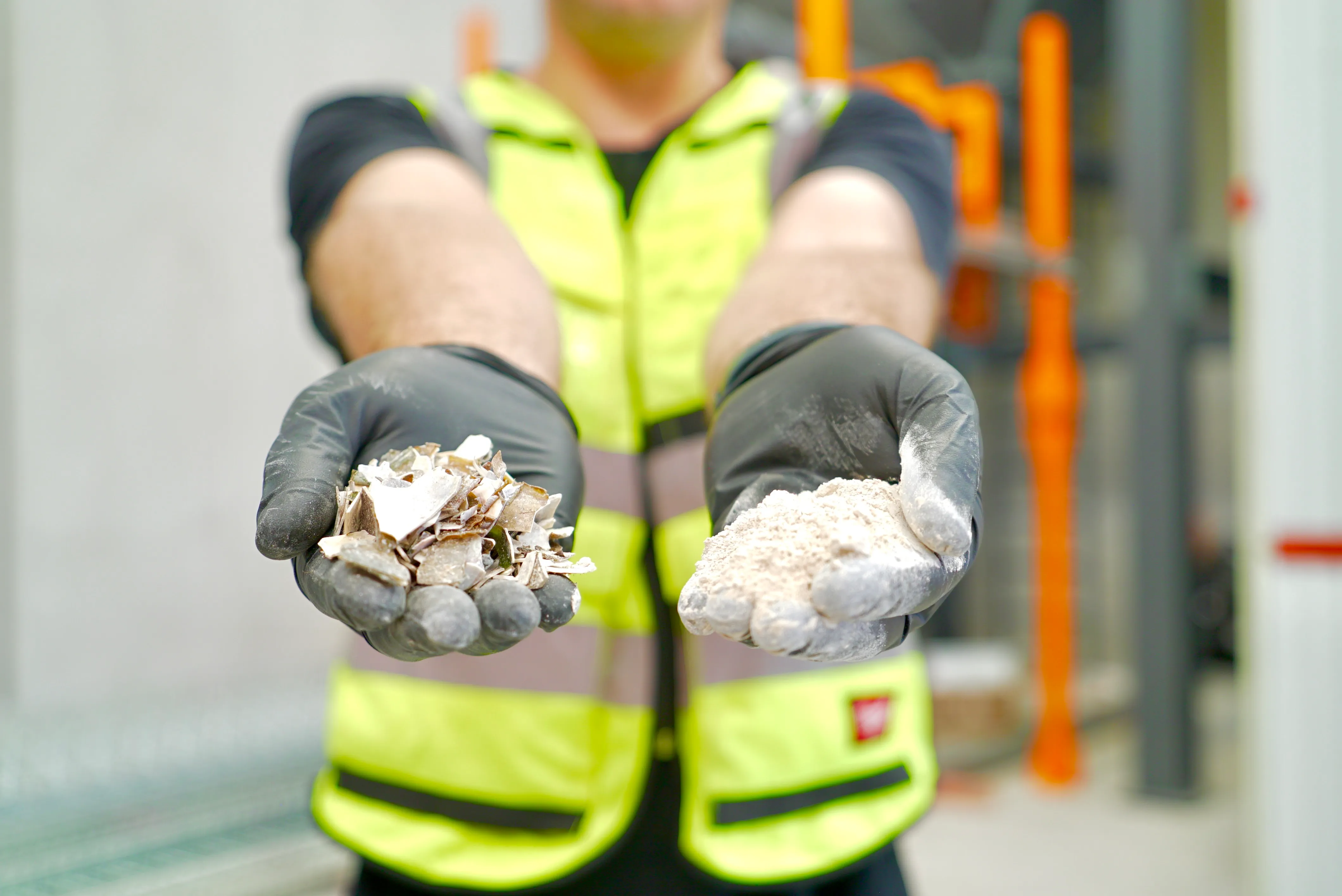
We're also progressing our waste-to-value initiatives, including producing high-quality calcium carbonate powders from crushed mussel shells in the South Island. This creates opportunities to turn materials traditionally considered waste into valuable industrial products.
Alongside these New Zealand projects, we're continuing to strengthen our international partnerships and scale our technology into overseas markets.
Our broader ambition is to change how industries approach waste, whether through permanently destroying hazardous contaminants or recovering value from materials that would otherwise be discarded.
Marcus Glucina – Author Bio
Marcus Glucina is Chief Executive Officer of Environmental Decontamination Limited (EDL), a New Zealand-based technology company specialising in hazardous waste destruction, waste-to-value solutions and innovative applications of mechanochemistry. He leads EDL's commercial strategy and international expansion, working with industry partners to scale New Zealand-developed technology that permanently destroys toxic contaminants and transforms waste materials into valuable resources, with growing opportunities across New Zealand, the United Kingdom and United States.
Relevant links:
Company website: https://www.edl-tech.com
Marcus's LinkedIn: https://www.linkedin.com/in/marcus-glucina-34638482/
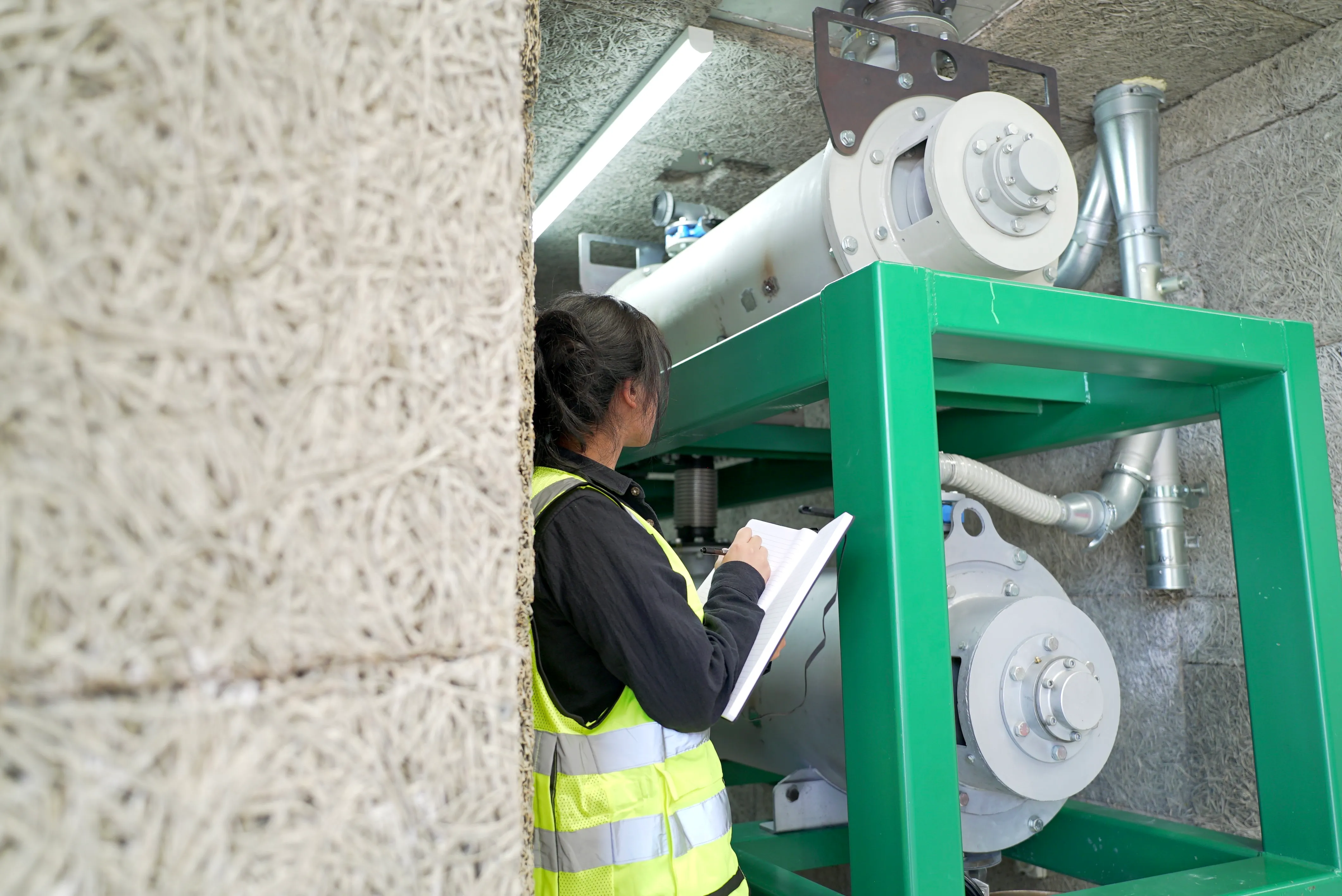
Marcus's headshot is attached and an image of EDL's ball milling technology and the mussel shells before and after processing for the article.
Please let me know if you need anything further or would like any adjustments to the responses.
We're happy to share the article through EDL's LinkedIn and website once it's published.